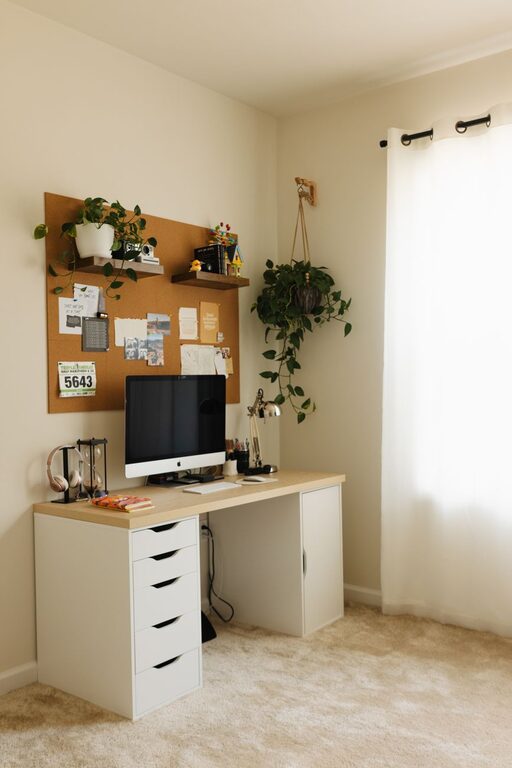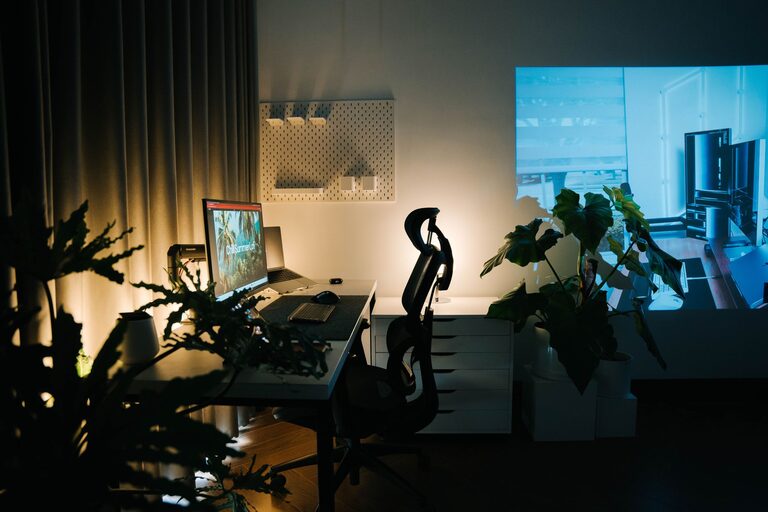
Creating a relaxing home workspace is essential for maintaining focus, reducing stress, and enhancing overall productivity. Whether you work remotely full-time or just need a cozy corner for occasional tasks, a thoughtfully designed workspace can make all the difference. Below are practical tips to help you build a calming environment that supports both your work and well-being.
Choose the Right Location
Selecting the ideal spot for your workspace lays the foundation for a relaxing environment. Consider the following:
– Natural Light: Aim for a space near a window to benefit from natural light, which can improve mood and reduce eye strain.
– Quiet Area: Pick a location away from household noise and distractions for better concentration.
– Comfortable Temperature: Ensure the space has good air circulation and a comfortable temperature for long working hours.
Invest in Ergonomic Furniture
Comfort is key to preventing fatigue and discomfort. Focus on:
– Ergonomic Chair: A supportive chair with adjustable height and lumbar support helps maintain proper posture.
– Desk Height: Choose a desk at an appropriate height to keep your wrists straight and elbows at a 90-degree angle.
– Footrest: If your feet don’t rest flat on the floor, a footrest can provide additional support.
Declutter and Organize
A tidy workspace encourages a calm and focused mind. Try these strategies:
– Minimalist Approach: Keep only essentials on your desk to avoid clutter.
– Storage Solutions: Use shelves, drawers, or organizers to store supplies neatly.
– Cable Management: Tidy cables with clips or sleeves to maintain a clean look.
Add Personal Comfort Elements
Incorporate items that make your workspace inviting without causing distractions:
– Plants: Small indoor plants can improve air quality and add a touch of nature.
– Soft Lighting: Use desk lamps or warm-colored bulbs for a softer ambiance.
– Comfort Items: Consider a cozy throw blanket or a cushion for added comfort.
Incorporate Calming Colors and Decor
The colors and decor choices can influence your mood and productivity:
– Neutral Tones: Soft shades like beige, light gray, or pastel colors create a soothing atmosphere.
– Inspirational Art: Select artwork or photos that uplift and inspire you.
– Personal Touch: Include a few sentimental items that make you happy without overcrowding the space.
Control Noise Levels
Managing noise is crucial to maintaining relaxation during work:
– Noise-Canceling Headphones: Use them to block out distractions or listen to calming music.
– White Noise Machines: These help mask unpleasant background sounds.
– Soundproofing: Adding rugs, curtains, or soft furnishings can absorb noise.
Keep a Consistent Routine
A structured routine can help your mind associate the workspace with productive and calm periods:
– Dedicated Work Hours: Set clear starting and ending times.
– Breaks: Take regular short breaks to stretch or relax your eyes.
– End-of-Day Ritual: Organize your desk before finishing to signal the end of work and prepare for the next day.
Incorporate Movement and Stretching
Long hours of sitting can cause tension and stress. Incorporate movement by:
– Standing Desk: If possible, use a sit-stand desk to vary posture.
– Stretching Exercises: Perform gentle stretches every hour to relieve tension.
– Short Walks: Take a brief walk around your home or outside during breaks.
Optimize Technology
Technology can enhance or hinder your workflow and relaxation:
– Monitor Position: Keep your screen at eye level to reduce neck strain.
– Blue Light Filters: Use screen protectors or software to reduce eye fatigue.
– Tech-Free Zones: Avoid non-work-related devices in your workspace to minimize distractions.
Maintain Good Air Quality
Fresh air helps improve concentration and well-being:
– Ventilation: Open windows regularly or use an air purifier.
– Humidity Levels: Use a humidifier or dehumidifier to keep air comfortable.
– Avoid Strong Scents: Choose mild or natural scents if you use air fresheners or candles.
—
Creating a relaxing home workspace involves thoughtful choices about your environment, furniture, organization, and habits. By combining these tips, you can design a space that not only maximizes your productivity but also nurtures a sense of calm and well-being throughout your workday. Remember, the key is to find what works best for you and adjust your space as your needs evolve.
About the Author