Living in a small space can feel challenging when it comes to keeping things tidy and organized. However, with thoughtful planning and a few clever strategies, you can transform your compact living area into a comfortable, functional, and stylish home. Whether you live in a studio apartment, a tiny house, or just a cozy room, efficient organization makes all the difference.
Here are some useful tips to help you organize a small living space efficiently and make it work for you.
1. Prioritize Decluttering
Before diving into organizing, start by decluttering. The less you own, the easier it will be to find homes for your belongings.
– Sort belongings into categories: Keep, donate, recycle, or throw away.
– Be honest: If you haven’t used something in a year, consider letting it go.
– Avoid buying unnecessary items: Resist the urge to accumulate more clutter.
Decluttering lays a strong foundation for better organization and creates a sense of calm and openness.
2. Maximize Vertical Space
When floor space is limited, using walls and vertical areas is a smart move.
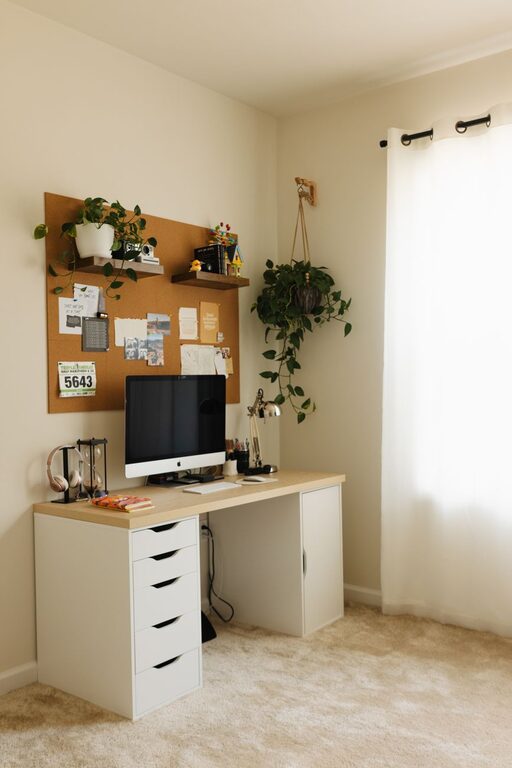
– Install shelves: Use floating shelves or wall-mounted racks to store books, decor, or kitchen essentials.
– Add hooks and pegs: Hang coats, bags, hats, or kitchen utensils.
– Consider tall bookcases or storage units: These use vertical space without taking up much floor area.
Vertical storage helps free up valuable floor space and keeps things within easy reach.
3. Choose Multi-Functional Furniture
Items that serve more than one purpose are excellent for small spaces.
– Sofa beds: Convert seating into a sleeping area when needed.
– Storage ottomans or benches: Provide seating and hidden storage.
– Foldable tables or desks: Create workspace when you need it and fold away afterward.
– Beds with built-in drawers: Use under-bed storage without extra furniture.
Multi-functional furniture saves both space and money by reducing the number of pieces in your room.
4. Use Clear Containers and Labels
Keeping similar items together in containers helps maintain order and visibility.
– Choose clear bins: Quickly see contents without opening them.
– Label everything: Use simple labels to identify items, making retrieval easier.
– Stackable containers: Help utilize vertical space inside closets or cabinets.
Organized containers avoid the hassle of rummaging and keep every item in its place.
5. Optimize Closets and Cabinets
Closets and cabinets can become cluttered fast if not organized well.
– Add extra shelves or hanging rods: Double your storage capacity.
– Use slim, non-slip hangers: Save space and keep clothes neat.
– In-cabinet organizers: Store small items like spices, toiletries, or office supplies.
– Door-mounted racks or organizers: Make use of the back of doors for shoes, cleaning supplies, or accessories.
Tailoring your closet and cabinet setup can greatly improve everyday convenience.
6. Keep Frequently Used Items Accessible
Place items you use daily in easy-to-reach spots.
– Use baskets or trays: Group everyday essentials on a coffee table or countertop.
– Create “zones”: For example, keep all office supplies together on your desk.
– Rotate seasonal items: Store off-season belongings out of the way to reduce clutter.
This approach saves time and keeps your space feeling neat.
7. Implement Smart Storage Ideas for Small Rooms
Every room has unique needs; here are some solutions for common areas:
Living Room
– Use nesting tables that can be tucked away.
– Mount your TV on the wall to free up surface space.
– Incorporate built-in shelves around windows or doorframes.
Kitchen
– Use magnetic strips to hold knives or spice jars.
– Hang pots and pans overhead.
– Use stackable shelf organizers inside cabinets.
Bedroom
– Use under-bed storage boxes.
– Hang clothes vertically or with tiered hangers.
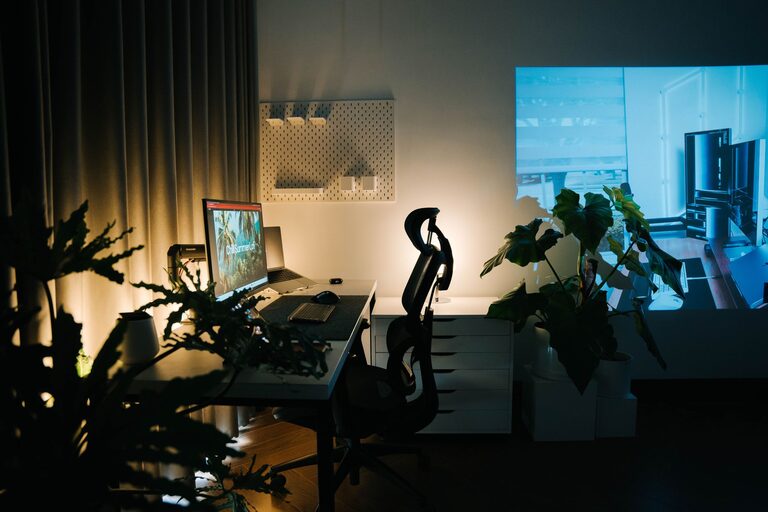
– Use a pegboard for jewelry or accessories.
Bathroom
– Hang baskets or shelves above the toilet.
– Use tension rods under sinks to hang spray bottles.
– Store toiletries in clear, labeled containers.
Tailor your storage to fit how you use each room.
8. Maintain Your System Regularly
Organization is an ongoing process.
– Schedule weekly tidying sessions: Spend 10-15 minutes putting things back in place.
– Review belongings seasonally: Remove items that you no longer need.
– Stay consistent: Developing habits makes organization easier over time.
Regular upkeep prevents clutter from building up again.
—
Final Thoughts
Organizing a small living space efficiently is absolutely achievable. By decluttering thoughtfully, maximizing vertical and hidden storage, choosing versatile furniture, and keeping things accessible and labeled, you can create a home that supports your lifestyle and feels spacious despite limited square footage. Remember, less is more, and intentional organization brings peace and order into your daily routine.
With these tips in mind, your small space can truly shine!
About the Author