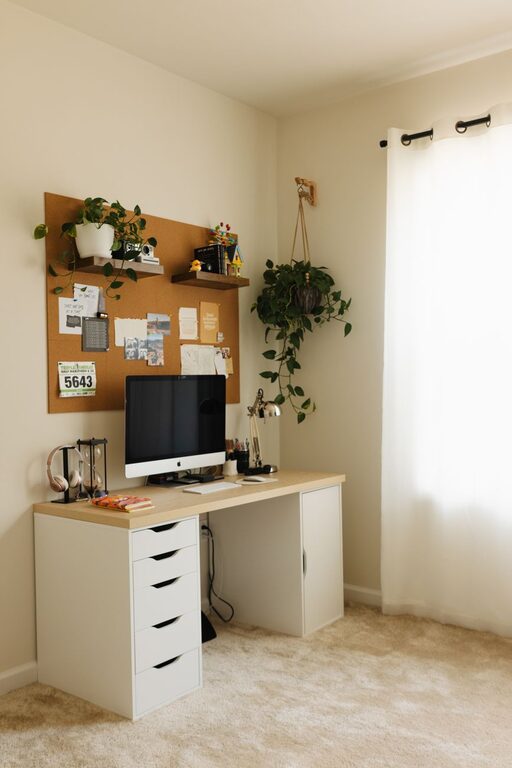
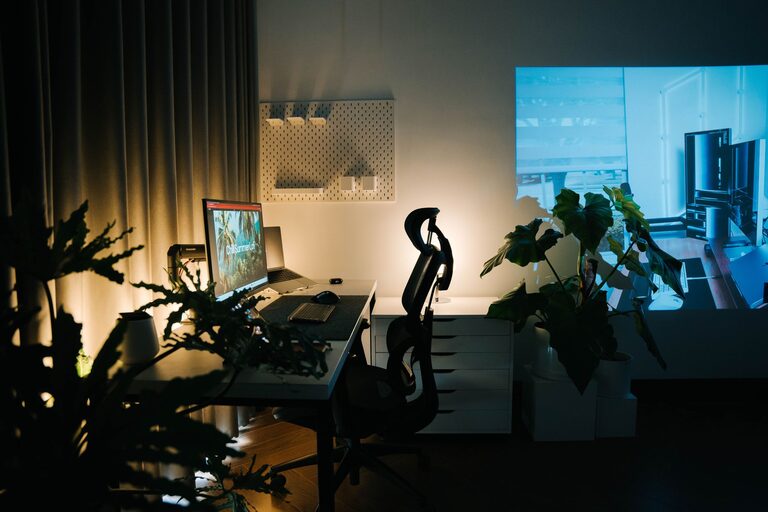
Creating a relaxing home workspace can make a huge difference in your productivity and overall well-being. Whether you work from home full-time or occasionally need a dedicated spot for tasks and creative projects, a calm and comfortable environment helps reduce stress and keeps you focused. In this post, we’ll explore practical tips to help you design a workspace that feels inviting and supports your daily work routine.
Why a Relaxing Workspace Matters
A workspace is more than just a desk and chair. It’s the area where you spend significant time concentrating, brainstorming, and completing your tasks. When your environment is cluttered, uncomfortable, or distracting, it can affect your ability to focus and feel calm. Conversely, a well-designed, relaxing workspace can:
– Improve concentration and productivity
– Reduce feelings of stress and fatigue
– Inspire creativity and motivation
– Promote better posture and physical comfort
Now, let’s look at how you can create a workspace that embraces these benefits.
Choose the Right Location
First, pick a spot in your home that suits your work style.
Consider Natural Light
Natural light has a positive impact on mood and energy. Try to set up near a window to take advantage of daylight, but avoid glare on your computer screen.
Quiet and Low Traffic
Choose a location away from high-traffic areas to minimize noise and interruptions. A corner room, a spare bedroom, or even a designated nook can work well.
Space for Movement
Make sure you have enough room to move around comfortably. Avoid cramming into tiny corners where you might feel cramped or confined.
Invest in Comfortable Furniture
Comfort is key to maintaining focus during long work sessions.
Ergonomic Chair
An ergonomic chair supports good posture and reduces strain on your back and neck. Look for adjustable height, lumbar support, and cushioning.
Functional Desk
Select a desk that fits your space and meets your needs. It should be large enough for your computer, monitor(s), and any other tools you use regularly.
Consider a Standing Desk
Standing desks or adjustable desks offer the option to alternate between sitting and standing. This can help reduce fatigue and improve circulation.
Organize and Declutter Your Space
An organized workspace reduces distractions and creates a sense of calm.
Keep Essentials Handy
Store frequently used items like pens, notebooks, and chargers within easy reach.
Use Storage Solutions
Use shelves, drawers, or organizers to keep papers, cables, and supplies neatly arranged. Label storage containers for easy access.
Clear the Surface
Try to keep your desk surface as clear as possible. Only leave out what you need for your current task.
Add Personal Touches Wisely
Personalizing your workspace can increase comfort and motivation, but avoid overdoing it.
Plants and Greenery
Adding a few small plants can improve air quality and provide a soothing visual.
Artwork or Inspiration Boards
Hang art, photos, or quotes that inspire you, but keep them simple and uncluttered to avoid visual noise.
Soft Textiles
A cozy rug, cushion, or blanket can add warmth and comfort.
Control Lighting and Ambiance
Proper lighting and ambiance promote relaxation and prevent eye strain.
Adjustable Lighting
Use a desk lamp with adjustable brightness. Warm light tends to be more relaxing than harsh, cool light.
Ambient Music or White Noise
If you like background sound, consider soft instrumental music or white noise apps to mask distracting sounds.
Temperature and Air Quality
Keep your workspace comfortably cool or warm and well-ventilated for better focus.
Mindful Breaks and Movement
Even with a relaxing setup, taking breaks is essential.
Stretching and Movement
Set reminders to stand, stretch, or take a short walk every hour.
Mindfulness Practices
A few minutes of deep breathing or meditation can help reduce stress during busy days.
Hydration and Snacks
Keep a water bottle nearby and have healthy snacks on hand to maintain energy.
Technology Tips for a Relaxing Workspace
Technology can either add to stress or simplify your routine.
Ergonomic Accessories
Use keyboards, mice, and monitors designed to reduce strain.
Cable Management
Keep cords organized and hidden to avoid tangles and visual clutter.
Minimize Notifications
Adjust your device settings to limit distracting alerts during work times.
Final Thoughts
Designing a relaxing home workspace doesn’t require a big budget or a complete home makeover. By focusing on comfort, organization, natural light, and personal touches, you can create an environment that supports both productivity and relaxation. Start small with a few changes and adjust as you discover what works best for you. A thoughtful workspace can turn your home office into a place you actually enjoy spending time in.
—
Remember, the goal is to create a space that helps you feel calm and focused while working. Apply these tips and make your home workspace a relaxing haven that keeps you inspired and productive every day.
About the Author