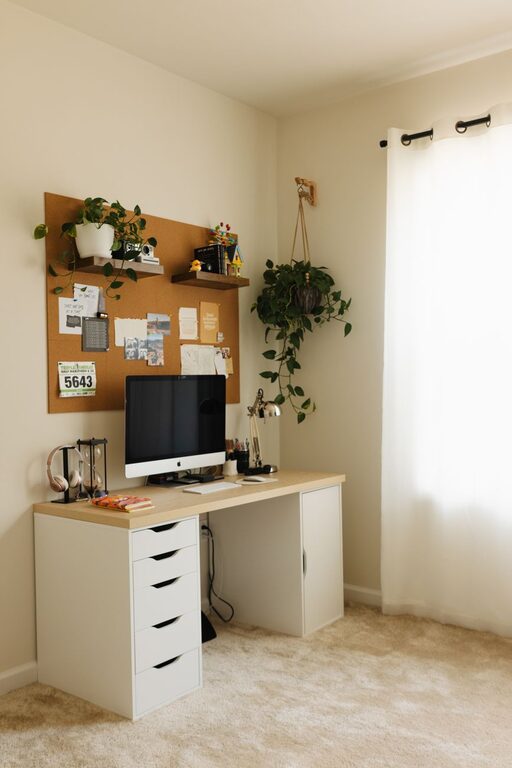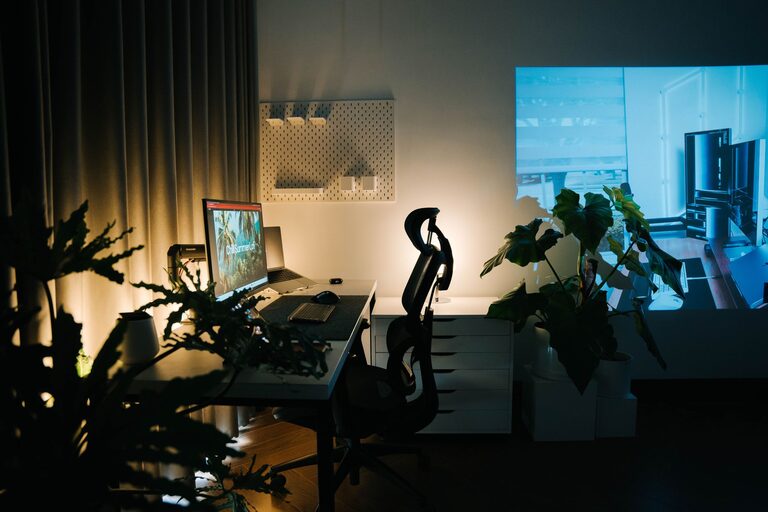
Creating a relaxing home workspace is essential for maintaining focus and comfort, especially as more people work remotely or spend significant time at their desks. A calming environment can help reduce stress, increase productivity, and make your workdays enjoyable. Whether you have a dedicated room or a small corner in your living area, these tips will help you create a workspace that feels peaceful and inspiring.
Choose a Quiet and Comfortable Location
Find a Low-Traffic Spot
Select a place in your home where you can work with minimal distractions. Avoid areas with heavy foot traffic, loud appliances, or noisy roommates or family members. If possible, dedicate a room specifically for work to create a clear boundary between professional and personal spaces.
Consider Natural Light
Natural light improves mood and energy levels, so setting up near a window is ideal. Position your desk to face or be adjacent to the window without causing glare on your computer screen. If natural light is limited, invest in quality task lighting that mimics daylight.
Invest in an Ergonomic Chair and Desk
Support Your Posture
A comfortable and supportive chair encourages good posture, reducing back and neck strain during long work hours. Look for adjustable chairs with lumbar support, cushioned seats, and armrests.
Choose the Right Desk Height
Your desk should allow your forearms to rest comfortably parallel to the floor and your feet to sit flat on the ground. Adjustable desks or standing desk options can be helpful for varying your posture throughout the day.
Declutter Your Workspace
Keep Only Essentials
A clutter-free desk helps clear your mind and improves concentration. Limit your workspace to items you use daily, such as your computer, a notebook, pens, and a water bottle or mug.
Use Storage Solutions
Organize papers, cables, and office supplies with baskets, trays, or drawer organizers. Label containers so you can find what you need quickly without creating a mess.
Add Soothing Elements
Incorporate Plants
Indoor plants not only add a splash of color but also improve air quality and bring a sense of calm. Choose easy-to-care-for varieties like succulents, pothos, or snake plants.
Use Calming Colors
Colors impact mood and productivity. Soft blues, greens, and earthy tones create a relaxing atmosphere. Consider painting your workspace walls or adding decor items in these shades.
Personalize Mindfully
Add a few personal touches such as artwork, inspirational quotes, or a favorite photo. Keep decorations minimal to maintain a serene and focused environment.
Manage Noise and Distractions
Use Noise-Cancelling Headphones
If external noise is unavoidable, noise-cancelling headphones can help you concentrate by blocking out distractions.
Play Soothing Background Music
Instrumental music, nature sounds, or white noise can also improve focus and relaxation, depending on your preference.
Establish Healthy Work Habits
Take Breaks Regularly
Schedule short breaks every hour to stand, stretch, and rest your eyes. This helps reduce fatigue and maintains productivity.
Keep Hydrated and Nourished
Keep a water bottle nearby and snack on healthy foods to keep energy levels steady throughout the day.
Set Boundaries
Define your work hours and communicate them with household members. When work time ends, step away from your workspace to mentally unwind.
Optimize Technology Setup
Reduce Screen Glare and Eye Strain
Adjust your monitor’s brightness and use a screen filter if needed. Position screens at eye level to avoid neck strain.
Cable Management
Keep cords organized and out of the way using clips or ties. A tidy workspace reduces visual clutter and minimizes accidents.
—
Creating a relaxing home workspace takes thought and intentional design, but the effort pays off in increased well-being and productivity. By choosing a quiet spot, organizing smartly, adding soothing touches, and developing healthy habits, you can build an environment that supports both your work and your peace of mind.
About the Author