
Creating a relaxing home office environment is essential for maintaining productivity and well-being when working from home. A space that feels calm and comfortable can help reduce stress, increase focus, and make your workday more enjoyable. Whether you have a dedicated room or a small corner in your living space, these tips will guide you toward designing a home office that supports your mental and physical health.
Why a Relaxing Home Office Matters
Your home office is more than just a place to work; it’s where you spend a significant portion of your day. A cluttered, noisy, or poorly designed workspace can lead to distractions, discomfort, and burnout. On the other hand, a thoughtfully arranged office can improve your mood, boost creativity, and help you stay organized. Investing time and effort into creating a peaceful work environment pays off in better focus and job satisfaction.
Choose the Right Location
Prioritize Natural Light
Natural light has a positive impact on your mood and energy levels. If possible, position your desk near a window to soak up daylight. This also helps reduce eye strain from artificial lighting.
Minimize Noise and Distractions
Select a spot that is away from high-traffic areas in your home, such as the kitchen or living room. Consider using noise-canceling headphones or a white noise machine if background sounds are unavoidable.
Invest in Comfortable Furniture
Ergonomic Chair and Desk
Comfort is key when you spend hours at your desk. Choose an ergonomic chair that supports your posture and a desk with the right height to prevent strain on your wrists and back.
Adjustable Setup
Consider furniture you can adjust as needed, such as a sit-stand desk, which allows you to switch between sitting and standing during your workday.
Organize Your Space
Declutter Regularly
Clutter can increase stress and make it difficult to focus. Keep only essential items on your desk and store other supplies in drawers or shelves.
Use Storage Solutions
Use organizers like trays, baskets, or filing cabinets to keep papers and office tools in order. Label containers to find everything easily.
Incorporate Soothing Colors and Decor
Choose Calming Colors
Colors like soft blues, greens, or neutrals promote relaxation and concentration. Avoid overly bright or harsh colors that may be distracting.
Personal Touches
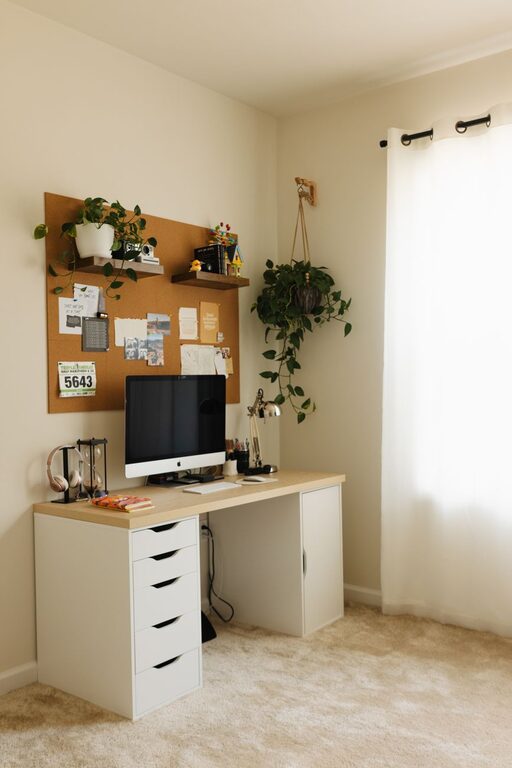
Add plants, artwork, or photos that inspire you without overwhelming the space. A few well-chosen items can make your office feel welcoming and less sterile.
Manage Lighting Thoughtfully
Combine Natural and Artificial Light
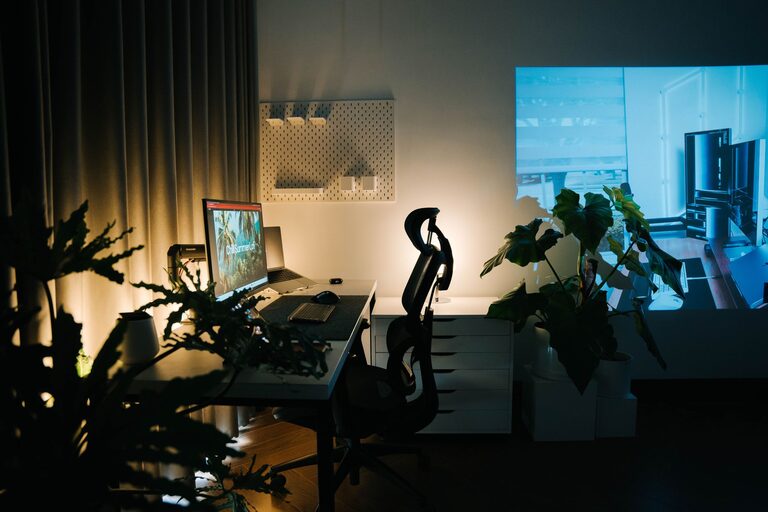
Balance daylight with soft artificial lighting to avoid glare on screens and reduce eye fatigue. Desk lamps with adjustable brightness are a great option.
Avoid Harsh Fluorescents
Replace bright white bulbs with warmer tones to create a cozy atmosphere that’s easier on your eyes.
Incorporate Elements to Reduce Stress
Add Indoor Plants
Plants improve air quality and bring a bit of nature indoors, which can lower stress and improve mood.
Use Aromatherapy
Consider a diffuser with calming scents like lavender or eucalyptus to create a peaceful environment.
Set Boundaries for Work and Relaxation
Designate Your Workspace
Avoid mixing your office with leisure areas. This helps your brain associate the space with work and improves focus during office hours.
Create a Routine
Start each day with a routine to transition into work mode, and set a clear end time to disconnect and relax.
Take Breaks and Move Around
Schedule Short Breaks
Regular breaks enhance productivity and reduce fatigue. Use breaks to stretch, walk around, or practice deep breathing exercises.
Keep Movement Tools Handy
A yoga mat, resistance bands, or small weights can encourage short exercise sessions throughout the day.
Keep Technology Under Control
Manage Cables and Equipment
Organize cords with clips or cable sleeves to prevent tangles. Keep only essential devices on your desk.
Limit Notifications
Turn off non-essential notifications to maintain focus and reduce distractions.
Final Thoughts
Creating a relaxing home office environment doesn’t require a complete overhaul. Simple changes — from organizing your space and adding plants to choosing comfortable furniture — can make a big difference in how you feel and work every day. By investing in your workspace, you are investing in your productivity and well-being.
Remember, your home office should be a place where you feel calm, energized, and ready to tackle your tasks. With these tips, you can build a workspace that supports your professional goals and keeps stress at bay.
About the Author